
Introduction
If you’re renewing your packaging supply chain or considering switching suppliers, it’s essential to take a step back and evaluate what you really need from your packaging partner. From reducing costs and improving protection in transit to enhancing your brand presentation, your choice of packaging company can significantly impact your business performance.
However, one key question often gets overlooked: should you work with a packaging supplier, or go directly to a packaging manufacturer?
In this guide, we’ll explore the differences between the two, along with the benefits and challenges of each approach.
Contents
Understanding the difference: Supplier vs manufacturer
Before you can decide which route is right for your business, it’s essential to understand how packaging suppliers and packaging manufacturers differ.
What is a packaging supplier?
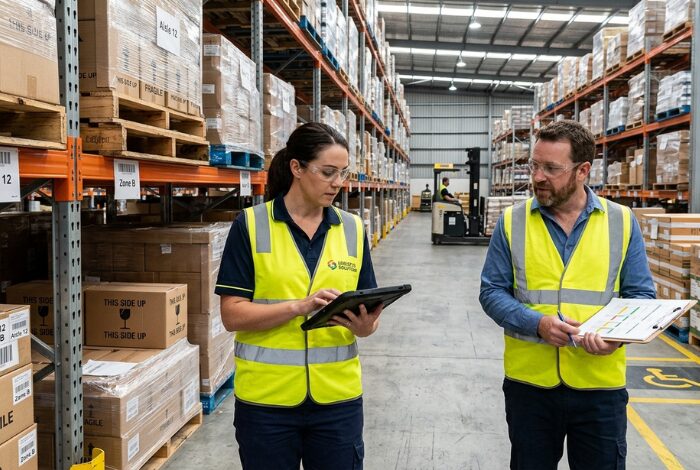
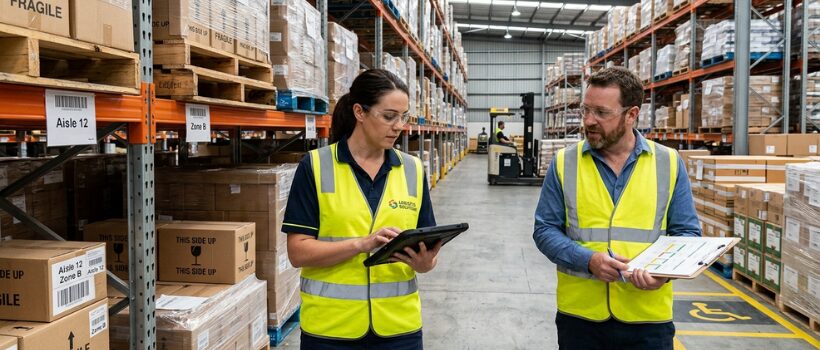
A supplier acts as an intermediary between the manufacturer and the end user. They purchase ready-made products from one or more manufacturers and resell them to businesses. While suppliers can offer convenience and a range of standard products, they typically have limited control over design, materials, and production quality.
Suppliers are often also referred to as packaging merchants or resellers.
What is a packaging manufacturer?
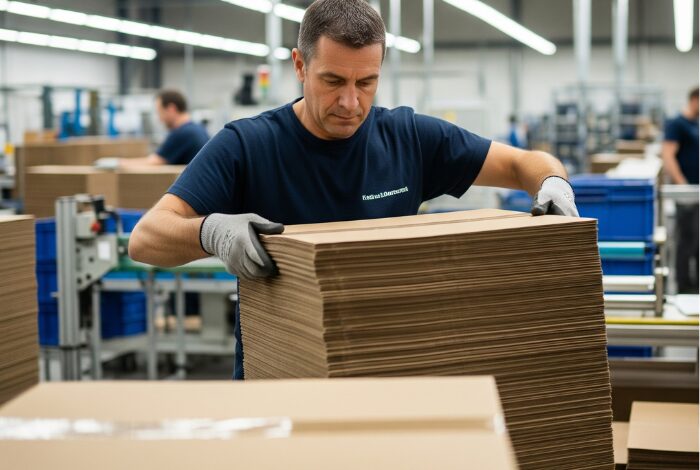
A manufacturer, on the other hand, designs and produces packaging in-house, transforming raw materials such as corrugated cardboard or foam into finished packaging solutions. Manufacturers can supply directly to end users or through distribution partners.
Working directly with a manufacturer gives your business more influence over design, materials, quality, and costs.
The advantages of working with a packaging manufacturer
Partnering directly with a packaging manufacturer brings several key benefits:
Greater control over quality
When you work with the manufacturer, you have direct access to the people responsible for production. This means tighter quality control, more accurate specifications, and packaging tailored to your exact requirements.
You can choose the most appropriate materials, such as specific board grades or coatings, that deliver the ideal strength, weight, and protection for your product range.
Value through expert design
Manufacturers typically have in-house design teams who can engineer packaging designs that enhance performance while minimising waste. Whether it’s reducing material usage, integrating protective fittings, or removing the need for void fill, design-led packaging can significantly cut costs and improve efficiency.
At Suttons, our design specialists combine creativity with technical expertise to deliver packaging that performs, both in transit and on the shelf.
Added-value services
Manufacturers have the flexibility to support your business beyond the box itself. Services such as stock holding, just-in-time (JIT) supply, and usage monitoring ensure that your packaging is always available when you need it.
In addition, manufacturing control allows for quick adjustments if you experience damage in transit, changes in demand, or need to rationalise SKUs.

Bespoke packaging solutions
Unlike off-the-shelf suppliers, manufacturers can produce bespoke packaging tailored to your products. Custom sizes reduce void fill and shipping costs, while branded print finishes elevate your presentation and enhance customer experience.
For example, Suttons can produce lightweight, eco-friendly corrugated alternatives to traditionally heavier materials, helping you save costs and improve sustainability.
The advantages of working with a packaging supplier
While manufacturers offer more flexibility and control, there are situations where a packaging supplier may still be the right fit.
Shorter lead times
Suppliers often hold stock of standard cartons, boxes, and packaging materials. If you need something urgently and don’t require a bespoke design, a supplier can provide off-the-shelf solutions with quick turnaround times.
That said, Suttons also offers flexible production cycles and stock management agreements to help customers achieve the same responsiveness while maintaining quality control.

Low unit costs (for standard products)
Suppliers who buy in bulk can benefit from economies of scale, offering competitive unit pricing on high-volume, generic packaging lines. However, keep in mind that these savings may be offset by higher shipping costs or wasted space if the box size doesn’t perfectly match your product.
Low volume requirements
If your packaging needs are small —for example, you’re a startup or operate on limited production runs —suppliers can be a cost-effective option, as there are no tooling or design setup costs.
However, as your business grows, the long-term value and efficiency of a tailored packaging solution often outweigh the initial cost savings.
Summary
There’s no single ‘right’ answer to whether you should work with a packaging supplier or manufacturer. The decision depends on your business priorities, order volumes, lead time requirements, and business objectives.
However, if you’re looking for:
- Improved quality and performance.
- Bespoke and cost-efficient design.
- Added value through service and support.
- A long-term strategic packaging partner.
Then, working directly with a packaging manufacturer is the best choice.
At Suttons, we combine manufacturing expertise, creative design, and flexible supply solutions to deliver packaging that performs, protecting your products, your brand, and your bottom line.
If you’re considering switching suppliers or exploring how direct manufacturing could benefit your business, our team would be happy to help.
Contact Suttons today to arrange a consultation or packaging audit.